My answer is simple: No. But it will replace bad ones.
The Rise of AI in Strategy Work
Artificial intelligence is already changing the way we analyze data, identify trends, and even draft strategy content. Tools like ChatGPT can summarize complex reports in seconds. Machine learning can find correlations in performance data that humans might never see. And predictive analytics can help forecast the impact of strategic initiatives long before implementation.
While that is all powerful stuff, it is a little scary for those of us who’ve spent decades helping organizations make sense of strategy during long workshops using whiteboards, sticky notes, and PowerPoint slides.
But strategy was never about information. It’s about consensus building, prioritization, and decision making. And those are all elements that AI doesn’t help with.
AI Can Analyze. Humans Must Interpret
AI can produce a quick report on the conventional wisdom about what is happening. It can even inform an investigation into why something might be happening. But it can’t tell you what matters most to your organization.
Only humans can connect the dots between data and purpose, between trends and values, between short-term wins and long-term vision. Only humans can manage the conversation in the room where decisions are made about what the organization wants to do next. That’s where strategy consultants are useful.
At Balanced Scorecard Institute, we’ve always said the Balanced Scorecard isn’t just a measurement tool; it’s a framework for managing strategic conversation. It’s about getting leadership teams aligned around shared understanding and priorities. AI can help inform that conversation, but it can’t replace the human dynamics that make it meaningful.
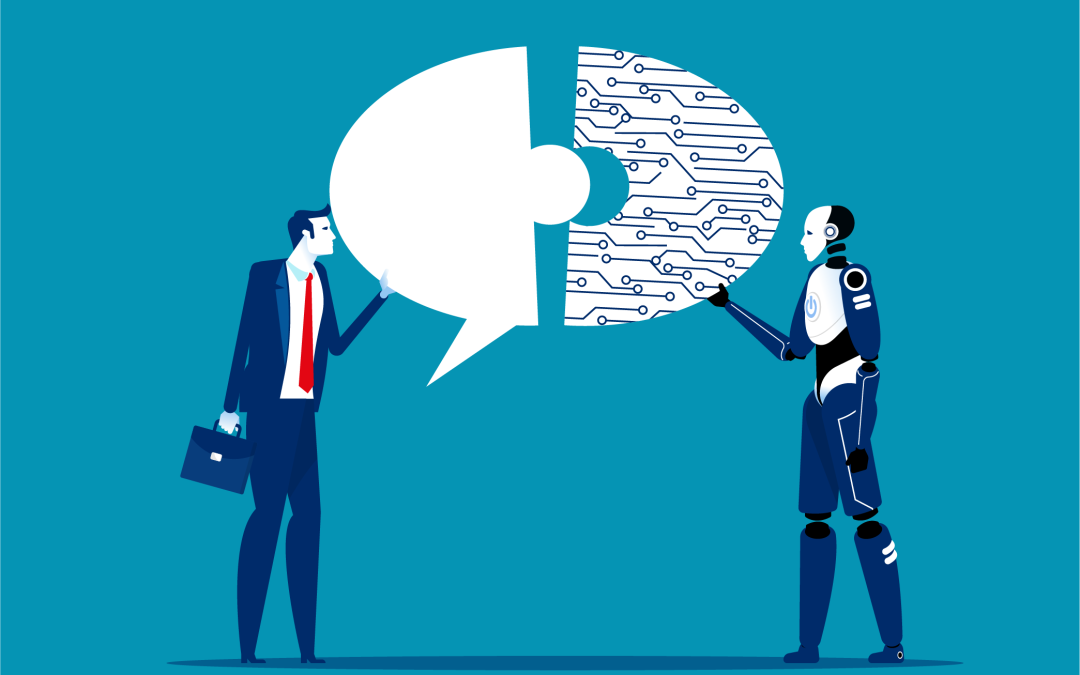
The Future Is Human + Machine
Good strategy consultants shouldn’t live in fear of AI. They should be using it.
Imagine entering a strategy retreat where AI has already summarized your employee feedback, benchmarked conventional thinking regarding potential measurements, and mapped potential cause-and-effect linkages. Now your team can spend its valuable time discussing implications instead of collecting data or brainstorming raw ideas.
The future we’re building toward is about AI-augmented strategic thinking, not AI-driven strategy automation.
What the Consultants Who Succeed Will Do
If you’re a consultant, coach, or strategist, the next few years will challenge you to evolve. Here are three ways to stay ahead:
Embrace the technology.
Learn how AI tools can streamline environmental scans, SWOT analyses content, and content wordsmithing. Practice and master the art of prompt writing.
Double down on human skills.
Facilitation, storytelling, and empathy will be more valuable than ever. Human interaction will become the most valuable element of the retreat.
Focus on consensus, not deliverables.
Clients want better results, not reports and PowerPoint slides. AI enables, but it will give you data, but it’s your job to turn it into strategic clarity and execution discipline.
BSI’s Commitment
At the Balanced Scorecard Institute, we’re not competing with AI. We’re leveraging the strengths of AI to make strategy management faster, smarter, and more accessible to every organization, all with the realization that AI doesn’t replace strategic thinking, but rather amplifies it.
Are you ready to elevate your career and organizational impact? Explore Balanced Scorecard certification through the Balanced Scorecard Institute and George Washington University’s Center for Excellence in Public Leadership and take your strategic leadership to the next level.

David Wilsey is the Chief Executive Officer with the Balanced Scorecard Institute and co-author of The Institute Way: Simplify Strategic Planning and Management with the Balanced Scorecard.